
Last week, we kicked off our annual teacher training programme, bringing together teachers from across the country to prepare for another year of impactful learning. So far, trainings have been conducted in Mayuge, Jinja, Mbale, Tororo, Kole, and Kiryandongo, with hundreds of teachers participating.
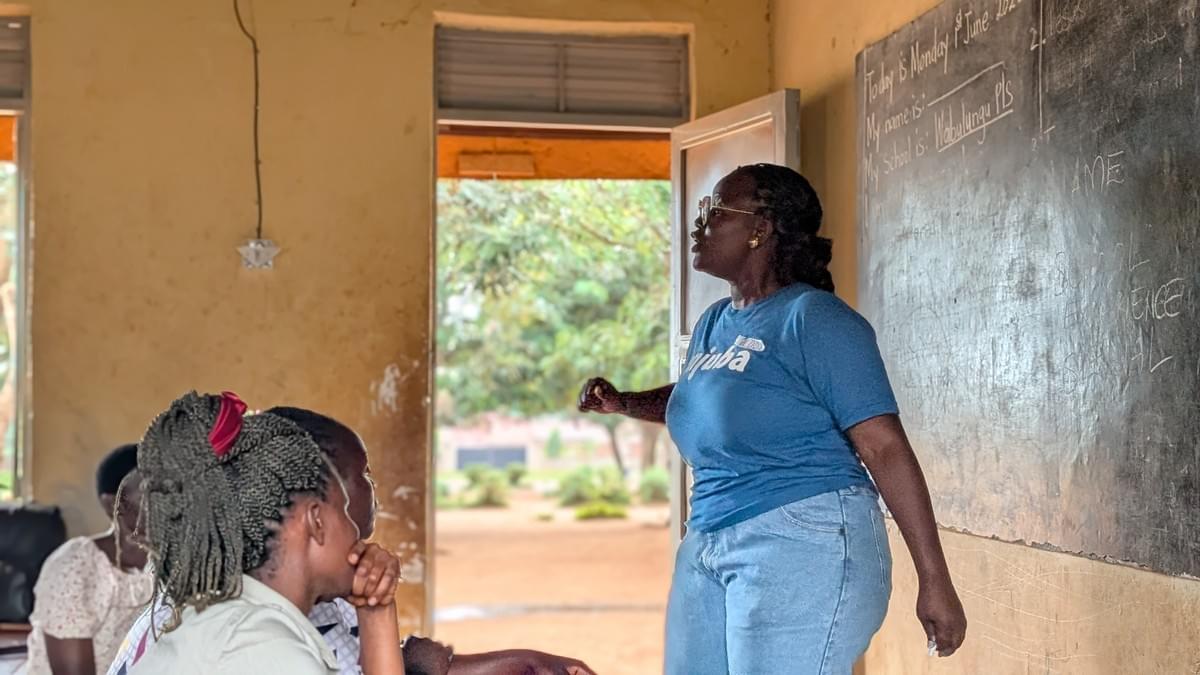
These training sessions are part of the broader goal of ensuring that all Ugandan learners can read and write by 2030. Upon realising that this cannot be achieved when learners spend their days with unmotivated, often untrained facilitators and amid the many stereotypes surrounding the teaching profession in Uganda, we decided to anchor our programmes in ensuring that teachers are motivated and well-trained.
Each training begins with a session on values and the teacher's role in the education ecosystem. Teachers reflect on the values they embody in their daily practice and explore how these values are inevitably passed on to the children they teach. The session emphasises that teaching extends beyond academic content; it also shapes character, attitudes, and behaviour.
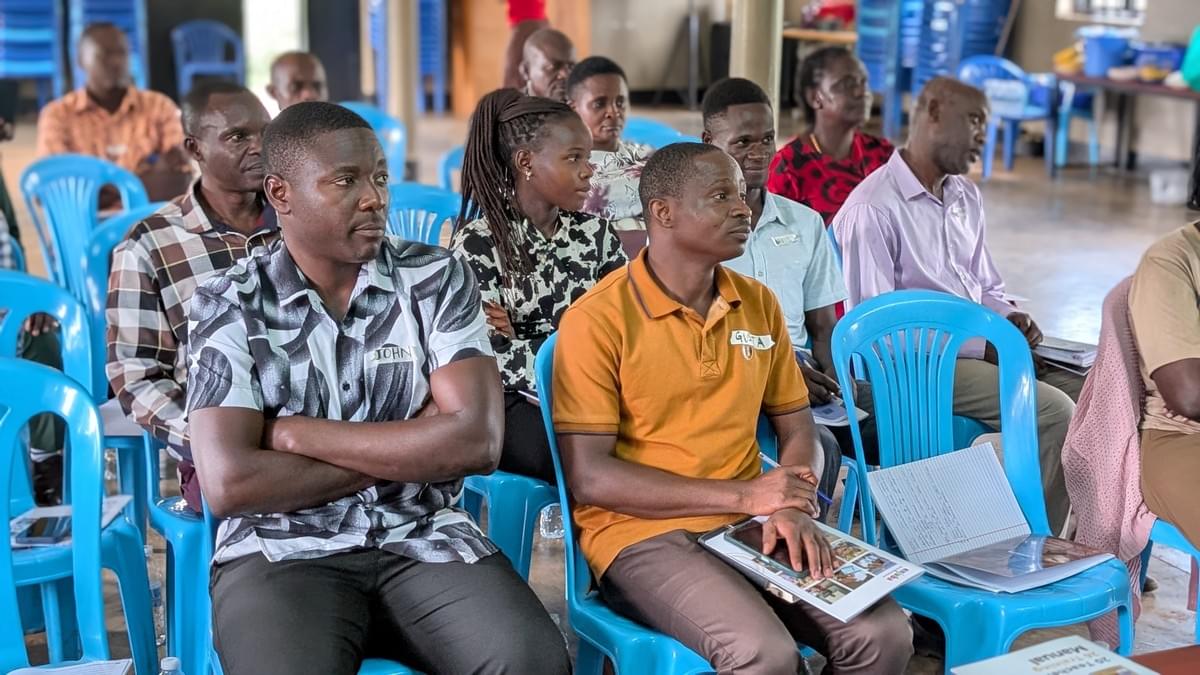
The second session, titled The Teacher in You, invites teachers to reflect on the most memorable teacher from their own educational journey. For some, these memories are positive; for others, they are difficult. The exercise demonstrates the lasting impact that teachers can have on the lives of their learners through seemingly small actions.
Across the training locations, teachers shared powerful stories. Some remembered teachers who offered comfort during difficult moments, such as a hug when they were upset. Others recalled teachers who celebrated their achievements, bought them a snack after they answered a question correctly, or encouraged the entire class to applaud learners who gave correct responses. Although these actions may have seemed ordinary at the time, they remained vivid memories years later. Many participants reflected on how such moments influenced their confidence, shaped their understanding of kindness, and even inspired their career choices, including their decision to become teachers themselves.
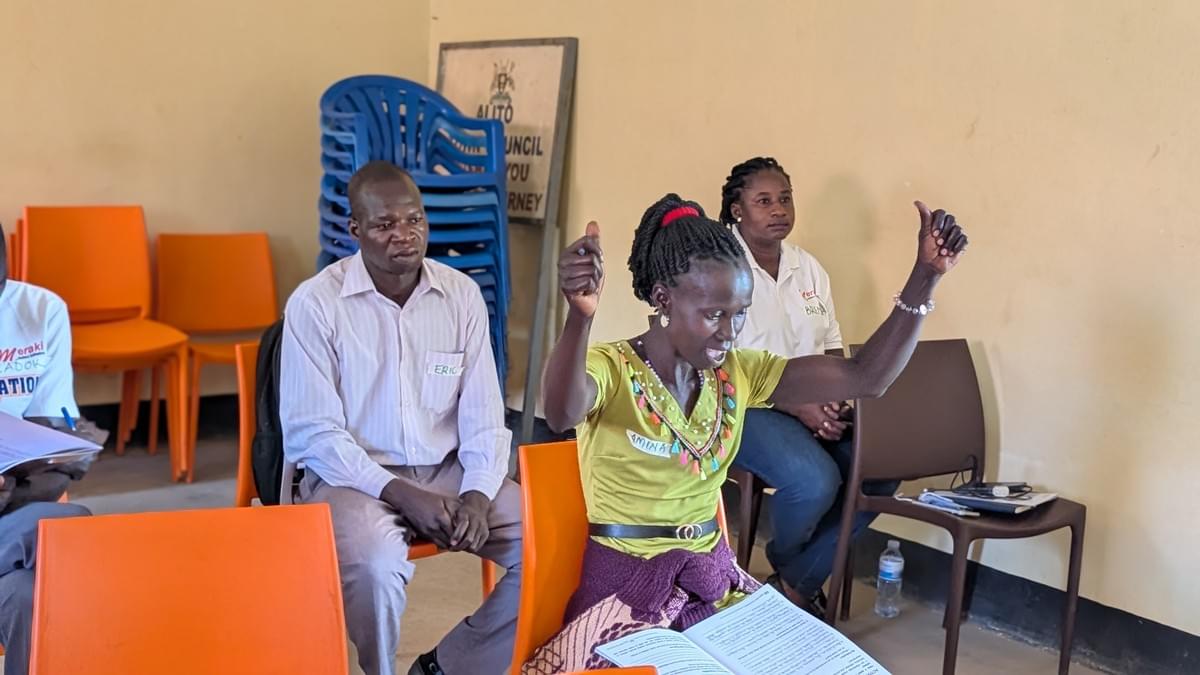
The third session focuses on the National Spelling Bee. Teachers are trained on how to use the spelling bee to provide a comprehensive literacy experience for learners. The training explores the different components of the wordlists, that is part of speech, definition, pronunciation, origin, and sentences, and demonstrates how these can be integrated into everyday classroom instruction. Teachers also learn practical strategies for incorporating spelling into daily learning activities and organising spelling bee competitions within their schools.
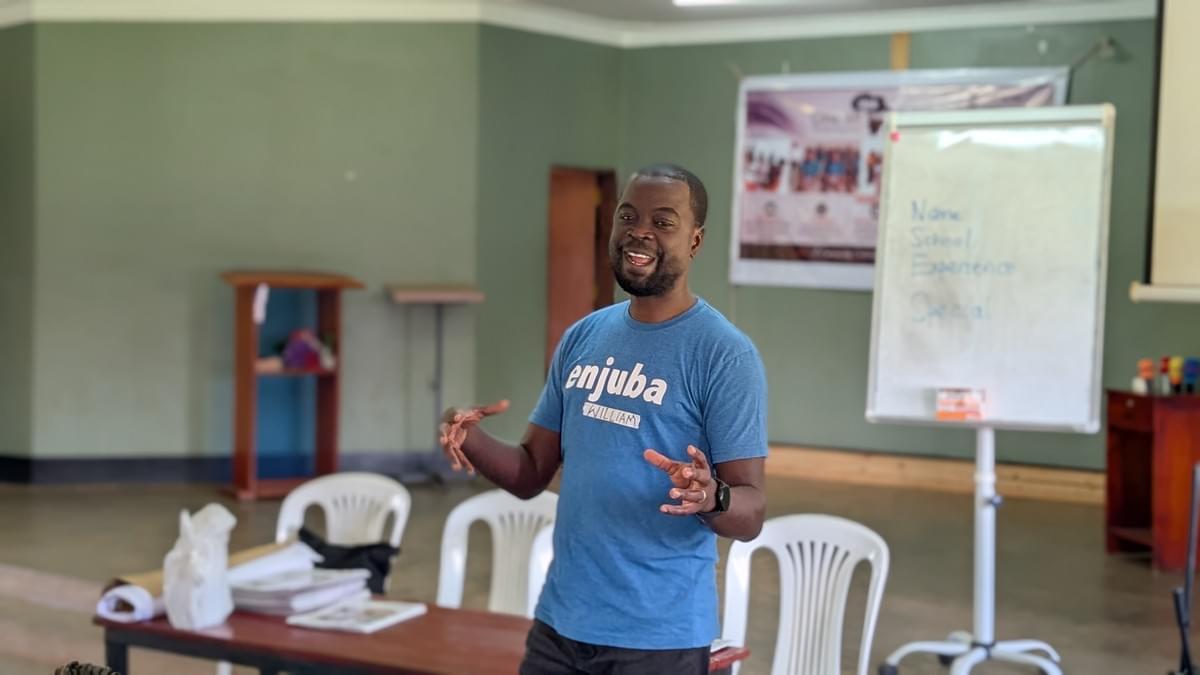
To conclude the session, participants take part in a demonstration spelling bee, with teachers serving as spellers, judges, and pronouncers. The activity provides a hands-on understanding of the competition and allows teachers to experience the process from the learners' perspective.
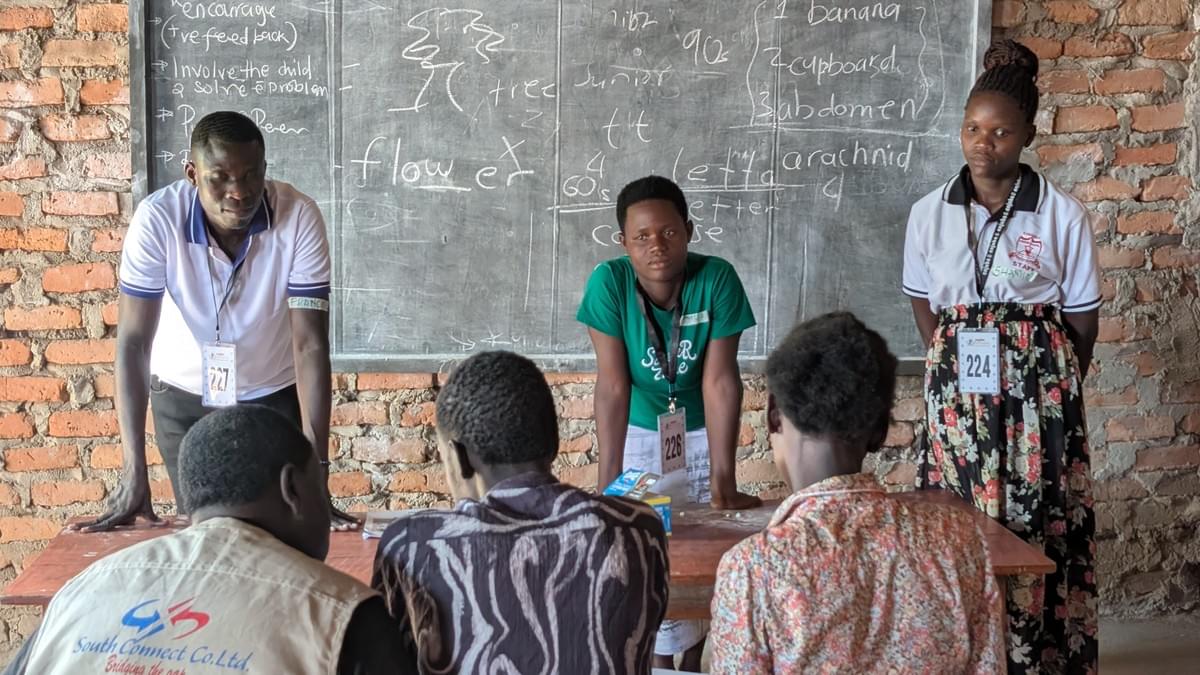
This year, the Spelling Bee will feature two competition categories: the Junior Category for learners aged 6–8 years and the Senior Category for learners aged 9–12 years. These categories will ensure that learners engage with age-appropriate content while developing their literacy skills and confidence.
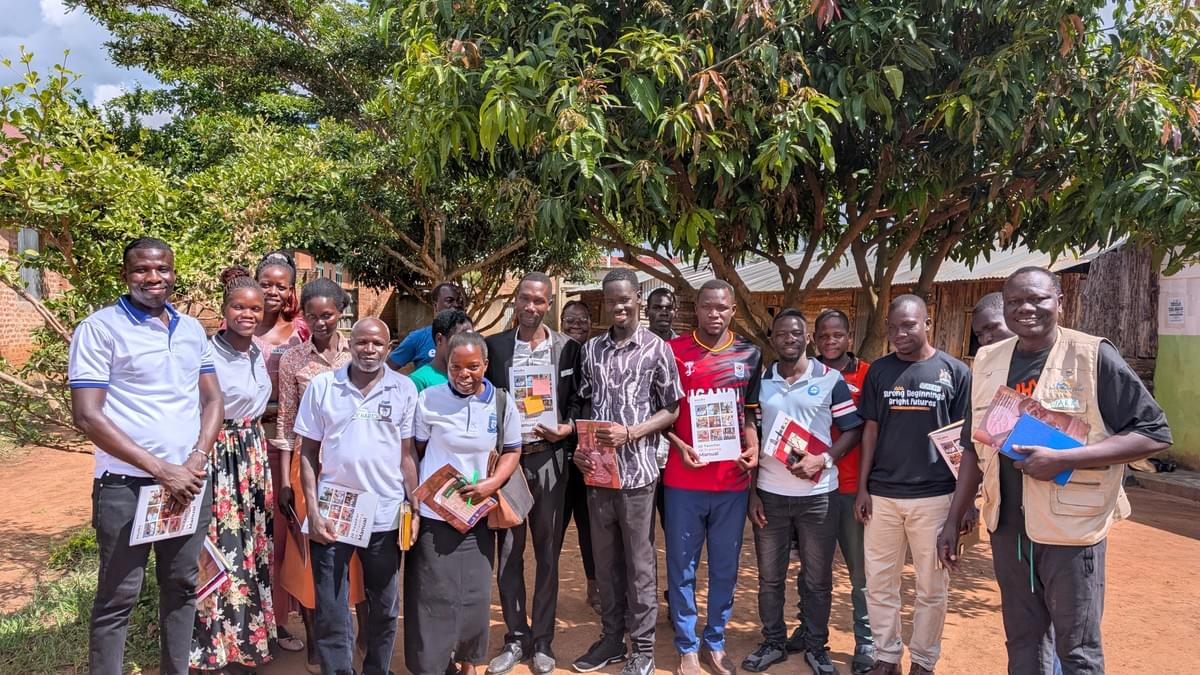
As the trainings continue across the country, we remain committed to supporting teachers not only as facilitators of learning but also as individuals whose everyday actions have the power to shape the futures of the children they teach.